
Put simply, it’s what we leave behind from the activities we do and what we use to do them. The reason why it is so important especially now is because it is contributing to climate change, polluting the air we breathe and melting the ice caps resulting in sea levels rising.
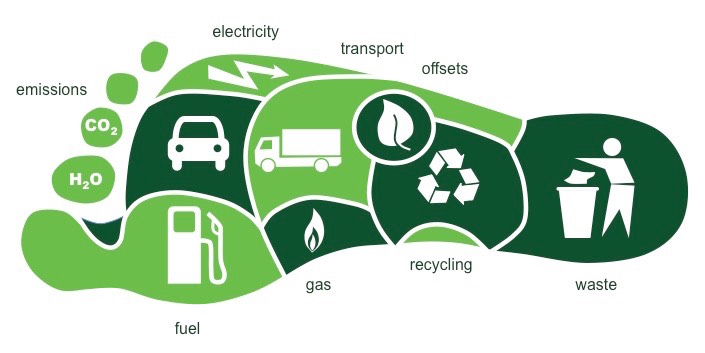
What actually is it?
It’s the total amount of greenhouse gasses that are created by us and our actions. The greenhouse gasses are primarily water vapor, carbon dioxide, methane and nitrogen.
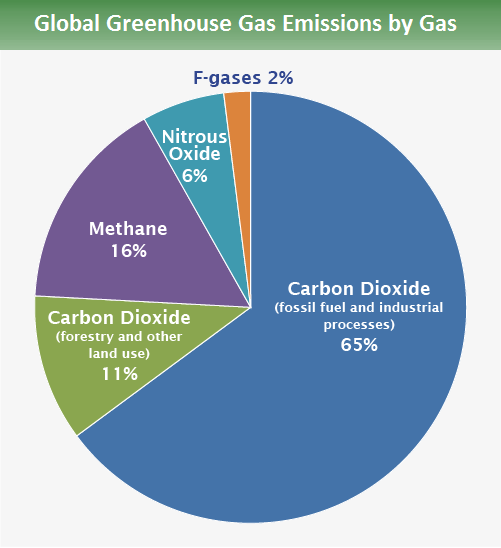
But how do these gasses get into our atmosphere?
Water vapor is caused by water evaporating. Carbon dioxide can be caused by combustion of fossil fuels. Methane is caused by gas/oil systems. Nitrogen is caused by using certain fertilizers that contain nitrogen and then used for farming.
How long do these last?
Greenhouse gasses can stay in our atmosphere between 300 and 1000 years. This means they can survive multiple human generations which means they have affected the past and will also affect the future.
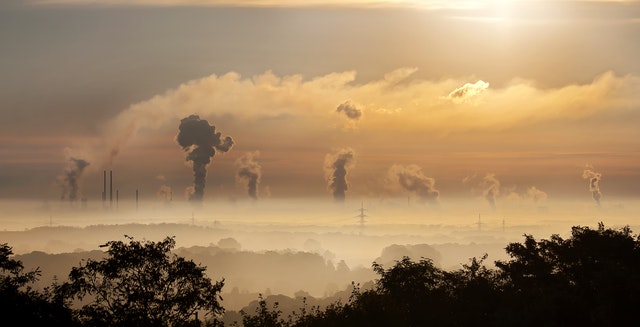
Why is this important?
Greenhouse gasses keep the heat in the atmosphere acting as an insulator keeping the Earth’s climate controlled. However if there are too many greenhouse gasses, this also means there is a lot of heat trapped in the atmosphere causing climate change and global warming.

How can we remove the carbon footprint?
We need to minimize the production of greenhouse gasses. As humans, we can significantly reduce the amount of gasses produced if we all follow these main points:
- Eating a plant-based diet. Having a meat-free Monday can reduce nearly 50 kg of carbon dioxide in a year
- Not owning a car (or having an electric car at most). 30% of emissions are caused by transport.
How does this affect construction?
Construction contributes to 39% of all emissions in the world and most of this comes from the manufacturing of the materials needed such as steel, cement and glass. Using different materials and using them more efficiently decreases the carbon footprint.
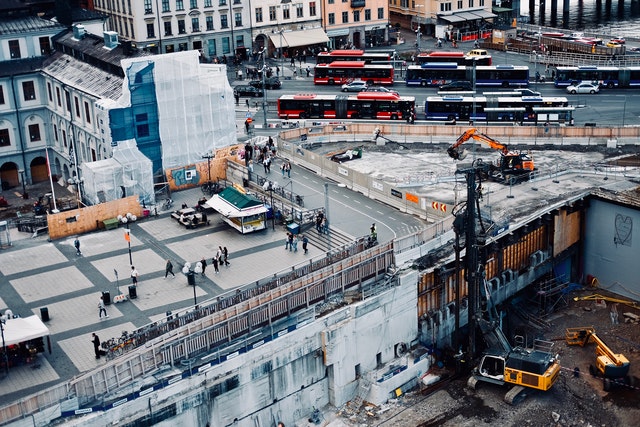
How do we reduce the carbon footprint through construction?
CMQ Consulting achieves this by designing use of materials that are sustainable and eco-friendly. For example, they use clay bricks which are environmentally friendly and cost-effective. They also use precast concrete, which uses less material waste.
However there are still materials used that are unsustainable so substitutes can be used to replace the materials that aren’t eco-friendly. For example, concrete is made through unsustainable practices. A sustainable substitute to concrete is ashcrete which uses ash from coal production to create a sustainable form of concrete.
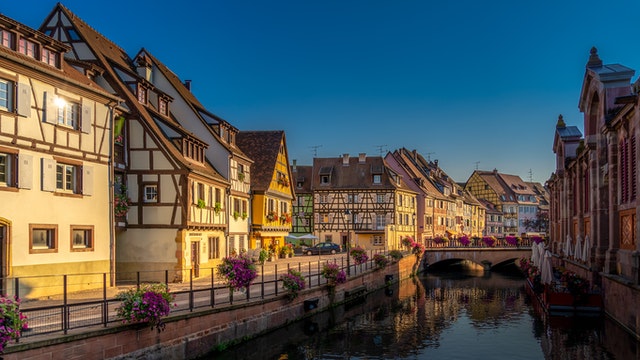
Another way to reduce the footprint is to use different materials in different ways. For example, using timber framing where practical instead of concrete. This means less concrete needs to be produced and less unsustainable practices used.
Designing more efficiently also reduces the carbon footprint because it means less materials are needed. For example, in the designing process include designs that can be disassembled and re-used, that reduce waste and are durable and adaptable. Also specify what cement is used and what goes into it, and use standard dimensions so there isn’t any off-site fabrication creating waste.
— Andre Casayuran


